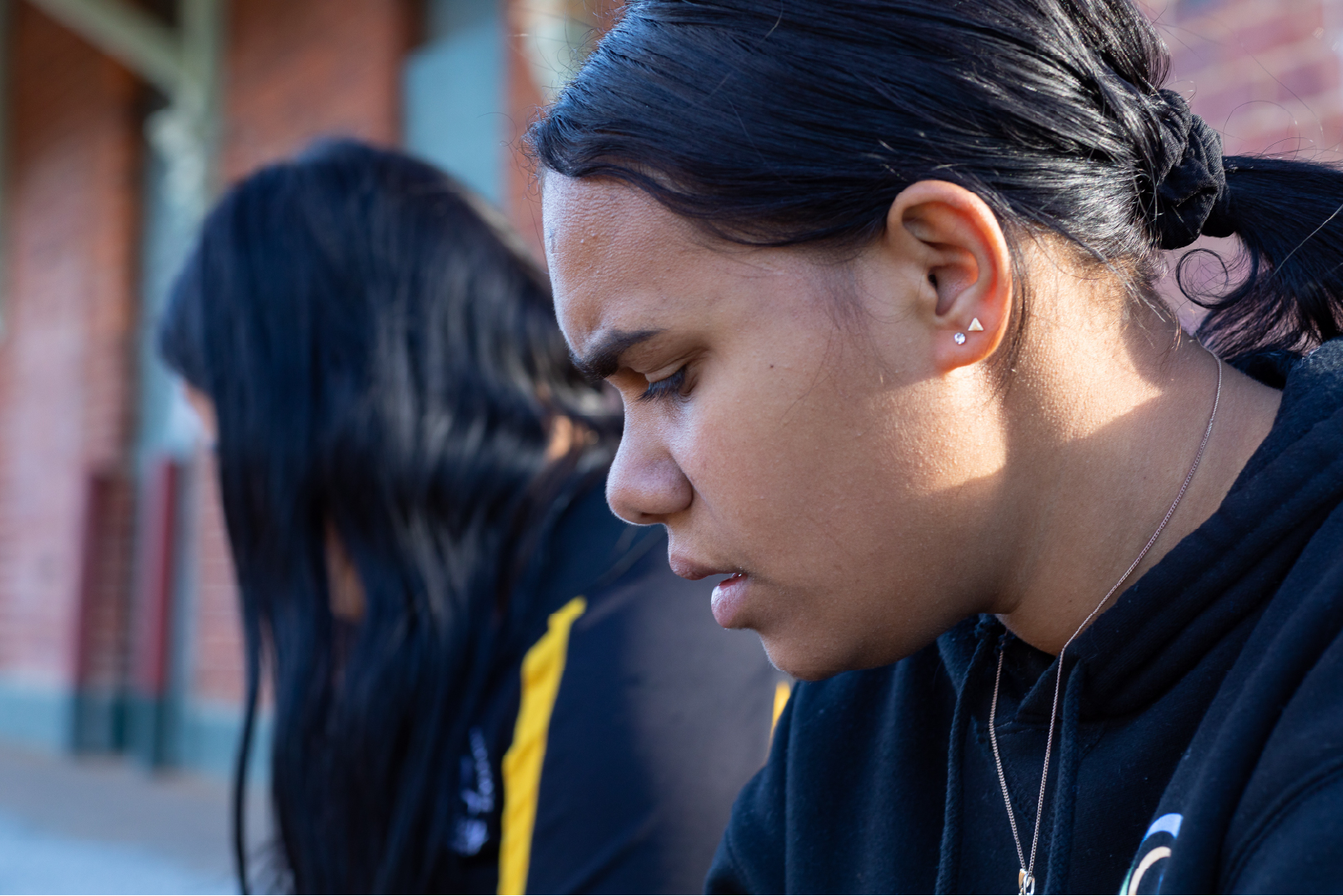
This is Week 42 in the Grace in Everyday Relationships Series. There is a particular grief that settles in when the lights go off and the house finally grows quiet. A spouse lies awake replaying another tense evening—sharp words, cold silence, or that heavy sense of distance—and whispers, “This is not the marriage I imagined when I said ‘I do.’” The vows were real, the hopes were sincere, and yet the daily reality feels far from the pictures in premarital counseling brochures. Scripture does not pretend that marriage is easy or always satisfying. It speaks honestly about suffering, sin, disappointment, and complex situations, while also holding out a Savior who…
-
-
This is Week 41 in the Grace in Everyday Relationships Series. There is a particular kind of tired that comes from living between two generations. The calendar is full of kids’ practices and school events, work demands are waiting on your phone, and then the call comes: “Can you help me with this bill…this doctor’s appointment…this computer again?” You hang up the phone with love and, if you are honest, a quiet ache of, “Lord, how do I do this well?” Scripture does not ignore this season of life. The command to honor father and mother does not expire when believers leave home; it deepens into a call to offer…
-
This is Week 40 in the Grace in Everyday Relationships Series. The foyer was full, the coffee was hot, and the conversations were loud. But as the last song faded and the last handshake ended, one person slipped quietly to the parking lot, started the car, and whispered, “Does anyone really know I’m here?” Surrounded by people, yet deeply alone—that is the ache of loneliness in a crowd. Many churches and neighborhoods are friendly on the surface, but friendliness and friendship are not the same thing. Scripture tells believers that God “sets the lonely in families” (Psalm 68:6), and that His people are to “seek to show hospitality” (Romans 12:13).…
-
This is Week 39 in the Grace in Everyday Relationships Series. Some of the hardest drives home are not after the busiest days, but after the most confusing ones. You sit at a red light, stare through the windshield, and quietly ask, “Lord, am I being faithful by staying in this job…or just afraid to leave?” For many believers, the question is not simply about career—it is about calling, character, and the people God has entrusted to them. Scripture does not give a single verse that says, “Here is exactly when to resign,” but it does give wise categories for discerning when to stay and when to go. Decisions about…
-
This is Week 38 in the Grace in Everyday Relationships Series. For many Christians, dating and engagement can feel like stumbling through fog with a racing heart. There are strong feelings, constant opinions from friends and social media, and a quiet pressure not to “miss your chance.” In the middle of it all, it can be hard to know how fast to move, how physical to be, or even whether the relationship is wise. Scripture does not give a modern “dating manual,” but it does give something far better: a framework of loving God first, walking in holiness, and seeking wisdom together in community. The question is not simply, “How…
-
This is Week 37 in the Grace in Everyday Relationships Series. Most families have their “usual” conflicts on replay. A familiar comment gets tossed out at the table, a sibling reacts, someone talks over someone else, voices rise, and before long a door slams or a phone goes silent. Afterwards, people quietly tell themselves, “Next time I’ll just keep the peace”—which usually means avoiding certain topics, stuffing emotions, or staying distant. Jesus, however, blesses peacemakers, not just peacekeepers. The question is not, “How can I never rock the boat?” but, “What does it look like to move toward family conflict with humility, courage, and love—seeking real peace where possible, and…
-
This is Week 36 in the Grace in Everyday Relationships Series. Some of the deepest shocks in life come not from enemies, but from friends. You find out a confidence was shared, a story was told in a way that paints you unfairly, or a friend simply disappears when you walk through the valley you thought you would face together. The mix of sadness, anger, confusion, and even shame can make you feel like the floor has dropped out from under your feet. So the question is not, “How do I pretend this doesn’t hurt?” The real question is, “How can a follower of Jesus handle hurt and even betrayal…
-
This is Week 35 in the Grace in Everyday Relationship Series. In every workplace there are names that make people relax, and names that make them brace. When one person’s name is on the schedule or the email, coworkers think, “It’ll be handled.” When another’s name appears, people quietly double-check details, build backup plans, or wonder if they’ll be left cleaning up a mess. Over time, each of us becomes “that person” to someone—either a source of confidence or concern. The question for a follower of Jesus is not simply, “How can I look good at work?” but, “What does it mean to become the kind of person whose long-term…
-
This is Week 34 in the Grace in Everyday Relationships Series. Many of the biggest arguments in marriage happen over some very small receipts. A gadget, a dinner out, a décor item, a subscription—on paper, it is not a huge expense, but it lands on a tender place. One spouse sees “recklessness,” the other feels “controlled.” Voices get tight, old frustrations surface, and before long the temperature of the whole house has changed. Underneath the numbers are fears about the future, different family histories, and dreams that have never been spoken out loud. So the question for Christian couples is not just, “How do we stop fighting about money?” The…
-
This is Week 33 in the Grace in Everyday Relationships Series. The empty chair at the table has a way of speaking, even when no one says a word. It might be the absence of a loved one who died this year, a grandparent who used to pray over the meal, a child lost to miscarriage, a sibling estranged after deep hurt, or a spouse whose illness keeps them in a bed instead of at the gathering. Laughter feels thinner. Silence feels heavier. Everyone wonders how to act—and some secretly wonder where God is in all of this. Every family will face grief, loss, and suffering in some form. The…