This article is Week 19 in the Grace in Everyday Relationships Series.
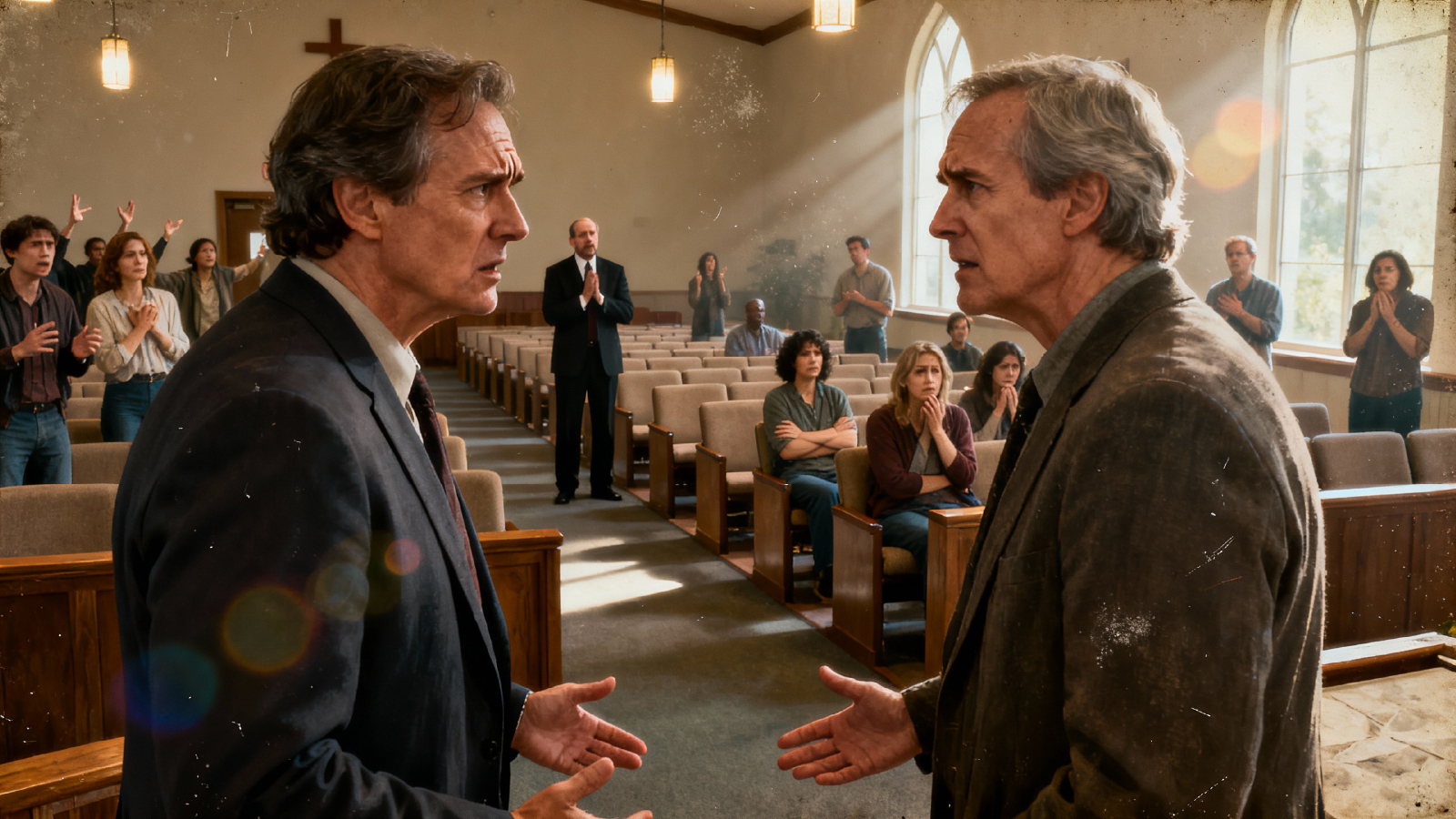
On Sunday morning, the foyer is full and noisy. Kids dart between legs, coffee cups clink, and small groups form almost instinctively—young adults with young adults, retirees with retirees, long-timers with other long-timers. You are grateful for your people. At the same time, you notice the quiet man standing alone near the door, the single mom slipping into a pew by herself, the older widow surrounded mostly by families her kids’ age. A question tugs at you: Are we missing something of what the body of Christ is meant to be?
Most churches say they want to be “welcoming” and “diverse,” but on the ground, friendships often run along the same lines as the rest of the world: life stage, ethnicity, background, interests, and comfort. That is understandable; it is easier to connect with people who “get” your schedule and preferences. Yet the gospel announces that Jesus has created one new family in Himself, not a collection of parallel circles that rarely intersect. Week 19 of Grace in Everyday Relationships is about leaning into that reality—learning to pursue friendship across differences in the local church in ways that are genuine, not forced, and deeply rooted in Christ.
The Gospel Creates One New Family
Ephesians 2 says that, through the cross, Jesus has “broken down in his flesh the dividing wall of hostility” and created “in himself one new man” out of groups that were once far apart. God is building this new humanity into a dwelling place for Himself. In the first century, the most obvious divide was Jew and Gentile; today, the walls may be age, ethnicity, class, education, or background. Whatever the lines, the point is the same: in Christ, those who once lived apart now belong to one household.
Galatians 3:26–28 adds that all who are in Christ are “sons of God” through faith, and that in Him, distinctions like Jew/Greek, slave/free, male/female are no longer ultimate. The Bible does not erase created differences; it refuses to let them be the deepest thing about believers. 1 Corinthians 12:12–27 continues the picture by calling the church one body with many members. Every part is needed. No part can say to another, “I don’t need you.” Less visible members are especially honored. When believers’ closest friendships are almost entirely with people just like them, they miss the fullness of that design.
Jesus Himself said, “By this all people will know that you are my disciples, if you have love for one another” (John 13:34–35). That “one another” is not limited to people in the same stage of life or with the same background. The watching world sees something supernatural when 20-year-olds and 70-year-olds, people from different cultures, and believers with different stories genuinely love each other as family in Christ.
Why Difference Is Hard—and a Gift
There are good reasons cross-difference friendship feels challenging. Comfort pulls believers toward people “like us.” It is tiring to explain your references or rhythms to someone who doesn’t share them. Fear whispers, “What if I say the wrong thing?” or “What if we have nothing in common?” Busy schedules make it easier to default to familiar relationships rather than investing energy in something that may feel awkward at first.
Yet difference is also a gift. Brothers and sisters who have walked with Christ longer can offer perspective and steadiness to younger believers. Younger believers can offer energy, questions, and fresh faith. Christians from different cultures or backgrounds can help each other see blind spots, appreciate other parts of the body, and rejoice in the breadth of God’s work. Ephesians 4:1–6 calls believers to “walk in a manner worthy of the calling” they have received—with humility, gentleness, patience, bearing with one another in love, eager to maintain the unity of the Spirit in the bond of peace. Those traits grow precisely as believers learn to love people who are not just copies of themselves.
Even the awkwardness has value. Feeling a little unsure at first is not a sign that something is wrong; it may be evidence that believers are stretching into new territory. Just as muscles grow stronger with resistance, hearts grow wider as they practice listening, asking questions, and staying present with someone whose story and experience differ from their own.
Practical Ways to Build Friendships Across Differences
Cross-difference friendship does not begin with grand programs; it begins with simple, repeated steps of noticing, inviting, and listening.
Start with noticing and listening.
Ask the Lord, even on a Sunday morning, “Who here might be on the edges?” Arrive a bit early or linger a bit later, scanning for someone who tends to stand alone or sit by themselves. Walk over, offer a warm greeting, and ask a few gentle questions: “How long have you been here?” “What brought you to Tupelo?” “How can our church be praying for you?” Listening well, without rushing to share your own story, is one of the strongest building blocks of friendship.
Use existing structures as bridges.
Many churches already have small groups, Sunday school classes, serving teams, prayer meetings, or mentoring programs that gather people from different backgrounds. Instead of starting from scratch, lean into those spaces. Volunteer on a team where you know others are not just like you. Sit next to someone outside your usual cluster in class or worship. Invite a different-age or different-background believer to share in rhythms you already practice—weekly meals, evening walks, service projects—so friendship grows in the flow of real life, not just in formal meetings.
Ask better questions and honor others’ stories.
Move beyond “What do you do?” and “How many kids do you have?” to questions that gently invite spiritual conversation: “How did you come to know Christ?” “What has God been teaching you lately?” “Who helped you grow early in your faith?” These questions signal that you see the other person first as a fellow disciple, not just as a demographic. When they share, resist the urge to immediately compare or fix; receive their story with gratitude and, when appropriate, share a bit of your own.
Guard against tokenism and “projects.”
One danger in talking about “diverse friendships” is treating people as boxes to check or projects to work on. The goal is mutual friendship in Christ, not collecting people to look more varied or rescuing others from a distance. Avoid assuming you already know someone’s story because of their age, ethnicity, or background. Let each person tell you who they are. Friendship across differences honors one another as image-bearers and fellow heirs, not as illustrations for a blog post.
One Step Toward a Cross-Difference Friendship This Month
Rather than trying to change your whole relational world at once, consider one focused step for this month of Grace in Everyday Relationships.
Ask the Lord to highlight one believer in your local church who is different from you in age, ethnicity, background, or life stage. Write their name down. Pray for them by name at least once this week. Then take one concrete step: invite them for coffee, share a meal after church, sit together in worship, or ask if they would be open to serving alongside you in a ministry area. During that time, ask at least one question that invites them to talk about their walk with Christ. Over time, these small acts, repeated with sincerity, can weave friendships that display the reconciling power of the gospel far more clearly than any slogan.
Discover more from Grace in Everyday Relationships
Subscribe to get the latest posts sent to your email.